
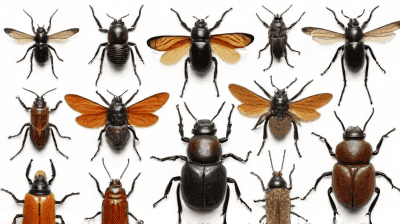
Insects are often overlooked and underappreciated, yet they play a vital role in maintaining the health of our ecosystems. However, recent studies have raised alarms about an impending "insect apocalypse," indicating that insect populations worldwide are declining at an alarming rate.
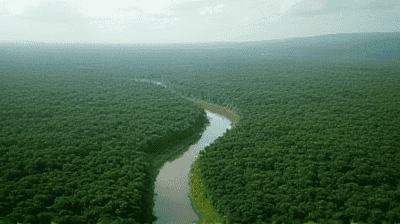
The Amazon rainforest, often referred to as the "lungs of the Earth," is one of the most biodiverse ecosystems on our planet. Covering over 5.5 million square kilometers across nine countries, the Amazon is home to approximately 10 percent of all known species.

The health of Earth's oceans is critical not only for marine life but also for the well-being of humanity. Oceans produce a significant portion of the world's oxygen, regulate climate, and provide essential resources for food, medicine, and recreation. However, overfishing, pollution, habitat destruction, and climate change have led to alarming declines in marine biodiversity.
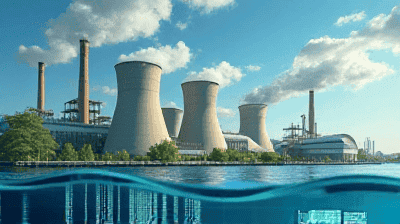
As the impact of climate change becomes increasingly apparent, the quest for effective solutions to reduce carbon dioxide levels in the atmosphere has intensified. Among the multitude of proposed strategies, carbon capture technology has emerged as a beacon of hope.

The Earth's atmosphere is a complex and dynamic system, crucial for life on our planet. Among its many components, the ozone layer plays an essential role in protecting living organisms from harmful ultraviolet (UV) radiation.